
A friend once told me how he delayed his dental appointment for months because he believed a root canal would cause unbearable pain, and his hesitation reminded me how powerful myths can be when they circulate for years without being questioned. These misconceptions create unnecessary fear and often push people to avoid early treatment. According to our editor’s research, most root-canal anxiety comes from outdated ideas rather than current clinical experience. This article explores common misunderstandings using calm explanations that feel more like a conversation than a lecture.
Why do people still believe root canals are painful?
Many people assume root canals are painful because this idea has been repeated for generations. Older techniques lacked modern anesthetics, which made the procedure more difficult decades ago. Today, advanced numbing methods create a nearly painless experience. According to our editor’s research, patients describe root canals as no more uncomfortable than a simple filling. The fear often comes from anticipation rather than the actual procedure. When people understand that pain relief is the goal, not the problem, they feel more relaxed. Fear fades when facts replace old memories or stories. Calm awareness supports better dental decisions.
What actually happens during a root canal?
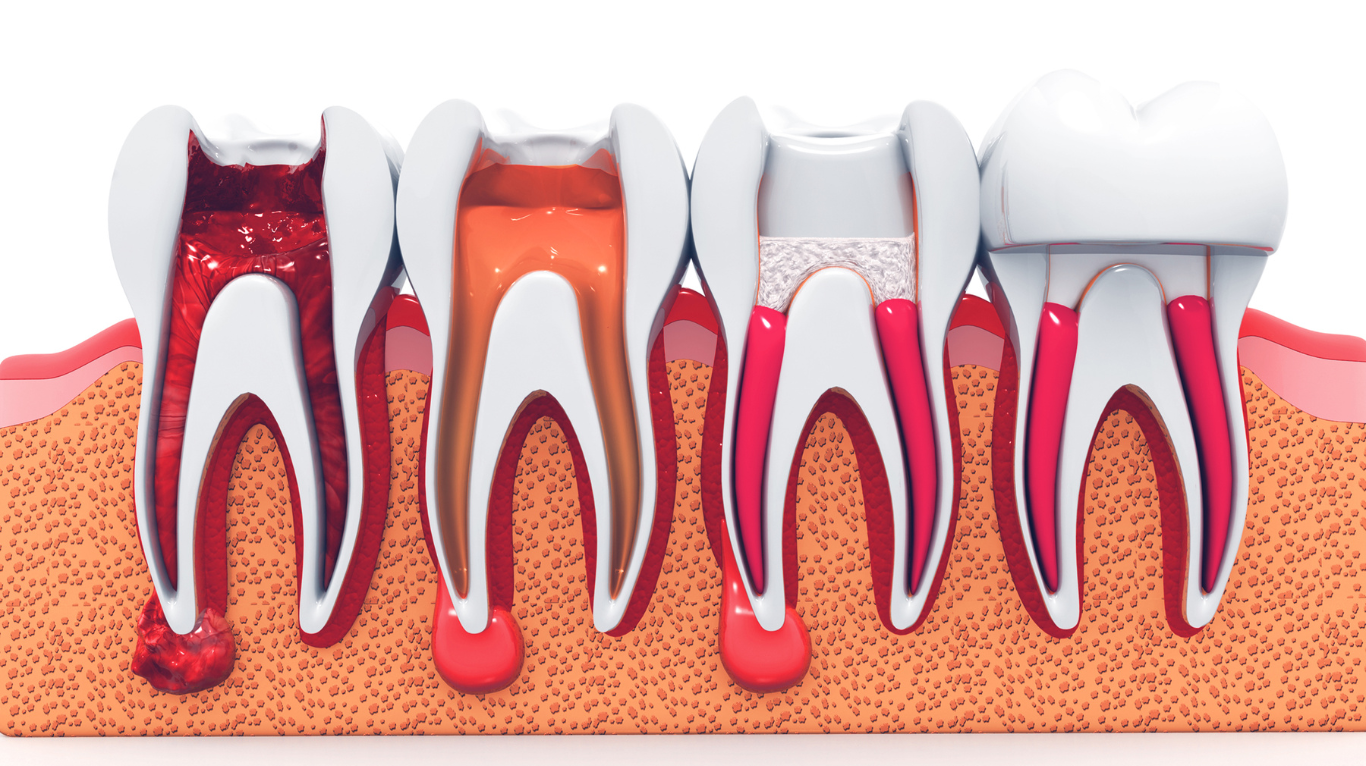
A root canal focuses on cleaning and protecting the inside of the tooth. The dentist removes infected tissue and shapes the canal gently. The area is then filled and sealed. As a result of our editor’s reviews, most people feel relief after the procedure because the infection no longer causes pressure. Many imagine the process as aggressive, but it is actually delicate and precise. The goal is to preserve your natural tooth. Understanding the steps reduces confusion. When expectations are clearer, fear loses its power. Knowledge helps people feel more confident in the dentist’s chair.
Do root canals weaken the tooth?
Some believe that root canals make teeth fragile. In reality, untreated infection weakens the tooth far more. The procedure removes harmful bacteria and protects the structure. According to our editor’s research, a crown placed after the root canal restores strength. Many people enjoy normal chewing and speaking after healing. The tooth continues to function like any other restored tooth. Weakness comes from waiting too long, not from the treatment itself. When people understand this detail, they appreciate how the procedure saves their natural tooth. Preservation always supports long-term oral health.
Is extraction easier than a root canal?
People sometimes think removing the tooth is simpler. Extraction solves the immediate infection, but it creates long-term challenges. Missing teeth affect chewing, alignment and appearance. As a result of our editor’s reviews, replacing a tooth often costs more and requires more appointments. Root canals preserve the natural root, which maintains jaw stability. Keeping your own tooth prevents shifting and uneven wear. Understanding these long-term effects helps people see the value of saving the tooth. Convenience today can become discomfort tomorrow. Preservation is usually the better choice for overall comfort.
Do root canals remove all pain immediately?
Some expect instant relief, yet the body sometimes needs time to settle. The infection may cause lingering inflammation for a short period. According to our editor’s research, mild sensitivity is common but temporary. As healing progresses, comfort improves. Many patients return to normal routines quickly. Pain relief remains one of the main goals of treatment. Understanding the natural healing timeline prevents unnecessary worry. When expectations match reality, the experience feels smoother. Calm patience supports successful recovery.
Are root canals only necessary for severe pain?
Many people think intense pain is the only sign of infection. However, infections sometimes grow quietly. A tooth may become numb due to nerve damage. As a result of our editor’s reviews, many infections are discovered during routine exams. Early detection prevents complicated symptoms. Minor discomfort or temperature sensitivity can signal deeper issues. Regular checkups help identify problems before they grow. Understanding this reduces the idea that pain must be extreme. Early care prevents unnecessary complications. Awareness supports healthier dental habits.
Can dental infections heal without a root canal?
Some hope infections will resolve on their own, but dental infections do not disappear without treatment. Antibiotics may relieve swelling temporarily, but they do not remove the source. According to our editor’s research, untreated infections spread to nearby tissues. A root canal addresses the cause, not just the symptoms. Waiting too long increases discomfort and makes treatment more complex. Understanding this prevents harmful delays. Taking action protects your long-term oral health. Clarity helps people avoid risky assumptions.
Do root canals take many appointments?
Modern technology allows many root canals to be completed in one visit. More complex cases may need additional sessions. As a result of our editor’s reviews, most treatments remain efficient and straightforward. Digital imaging and improved tools reduce chair time. People often feel surprised by how quick the experience feels. Understanding this modern efficiency reduces stress. Planning becomes easier when expectations are realistic. Simplicity replaces outdated fears.
Are root canals dangerous?
Some myths suggest root canals release toxins or harm the body, but these claims lack scientific support. Modern dental standards follow strict sterilization and safety guidelines. According to our editor’s research, root canals remain safe and effective across all age groups. The materials used are designed for long-term compatibility. Medical and dental institutions continue to support their safety. Understanding this helps people trust the procedure. Science provides clarity where rumors create fear. Calm knowledge builds confidence in treatment.
Do root canals always fail?
Many people believe root canals eventually fail, yet most remain successful for many years. Success rates remain high when patients follow their dentist’s recommendations. As a result of our editor’s reviews, proper restoration with a crown improves longevity significantly. Failure often happens when people delay treatment or avoid follow-up care. Understanding the factors that influence success helps people make informed choices. Routine dental visits protect long-term results. Clear expectations support healthier outcomes.
Why do people think root canals cause illness?
Old myths once linked root canals to health problems, but modern evidence disproves these ideas. Infections cause harm, not the treatment that removes them. According to our editor’s research, dental and medical communities consistently emphasize the safety of root-canal therapy. Misunderstandings persist because old claims spread faster than modern updates. Understanding the true benefits helps people stay informed. Accurate knowledge protects dental health. Clarity replaces unnecessary fear.
Are root-canal results permanent?
People sometimes believe results fade quickly. In reality, carefully restored teeth can last for many years. As a result of our editor’s reviews, longevity depends on good daily habits. Brushing, flossing and regular exams support durability. A strong crown protects the tooth from pressure. When people care for their restored tooth, the result remains stable. Understanding this helps people feel hopeful about long-term outcomes. Confidence grows when expectations are realistic.
How does fear shape root-canal decisions?
Fear often delays treatment more than pain. People imagine worst-case scenarios because myths feel louder than facts. According to our editor’s research, many patients feel relieved after learning modern details. Calm conversations with the dentist reduce anxiety. When fear decreases, people make smarter health decisions. Understanding the cause of fear removes its influence. Knowledge supports comfort and confidence.