
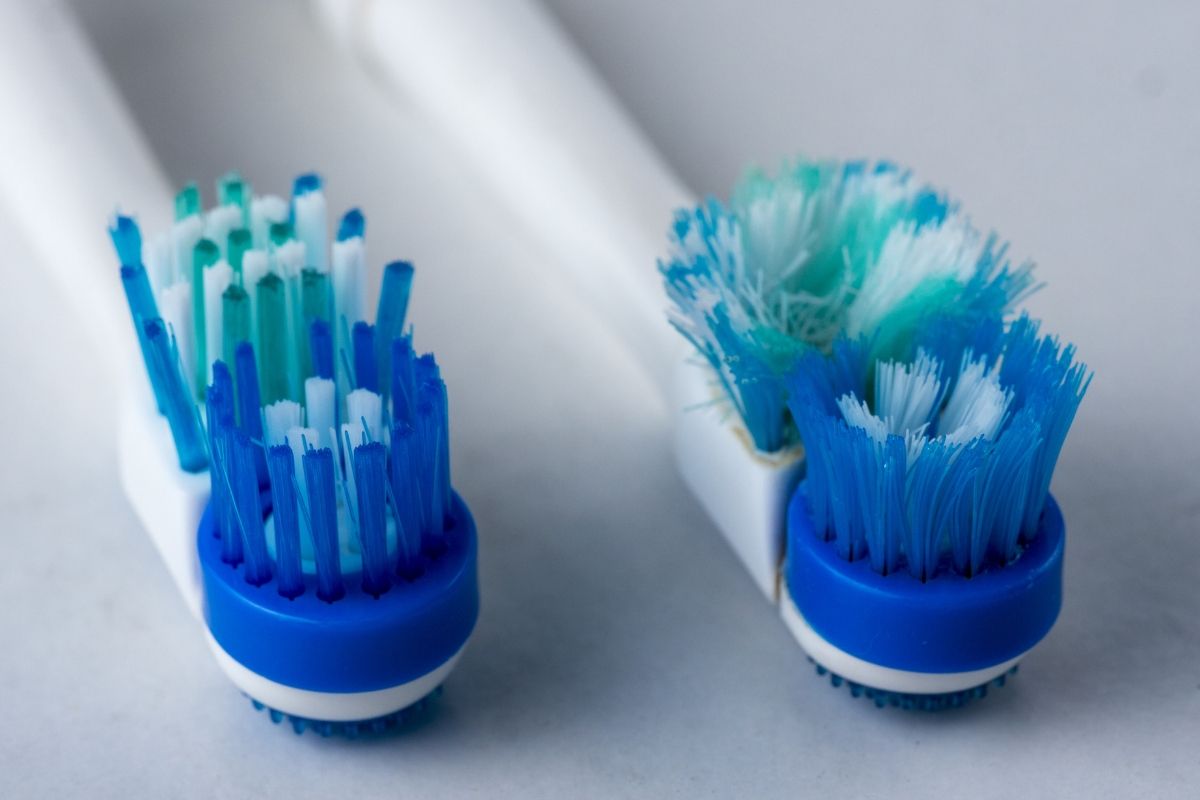
The first sentence of this article explains why replacing your toothbrush at the right time supports better oral health and everyday comfort, helping you maintain cleaner teeth, healthier gums, and a more effective hygiene routine without unnecessary effort or confusion about timing.
Why does toothbrush timing matter?
Many people underestimate how quickly toothbrush bristles lose effectiveness, even when the brush still looks acceptable at first glance. According to our editor’s research, most dental specialists emphasize how worn bristles remove less plaque and may irritate the gums. This reduction in performance can gradually increase the risk of decay or gum sensitivity without any clear early signs. Many individuals only realize the problem once discomfort begins, which often leads to avoidable dental visits. This is why understanding the right replacement rhythm matters more than most people think in daily hygiene planning.
How often should you actually change your toothbrush?
Most experts recommend replacing a toothbrush every three months, although individual habits may shorten this timeline. As a result of our editor’s reviews, dentists frequently note that people who brush with heavy pressure often wear out their bristles faster. When the bristles bend permanently or spread outward, the brush no longer reaches small spaces effectively. These small changes can impact plaque removal in less than two months for some users. If you notice fraying early, replacing the brush sooner supports better hygiene. Many patients are surprised by how quickly they feel improvement once they switch to a fresh brush.
Why do bristles wear out so quickly?
Bristles wear out from repeated friction against tooth surfaces, but other factors accelerate this process, including water exposure and high brushing force. According to our editor’s research, worn bristles lose their ability to maintain even pressure on the teeth. This leads to uneven cleaning, particularly around the gumline where bacteria often settle. When bristles soften excessively, they move without structure, decreasing contact with plaque. Over time, this wear disrupts cleaning efficiency, which can increase the risk of tartar buildup. Even high-quality brushes cannot resist long-term friction, making replacement essential for consistent performance.
Does brushing style affect toothbrush lifespan?
Yes, brushing style significantly affects how long a toothbrush stays effective. Many individuals use forceful scrubbing motions that bend the bristles early and reduce the brush’s longevity. As a result of our editor’s reviews, specialists explain that soft circular movements protect both the bristles and the enamel. Heavy-pressure brushing damages the bristles while irritating gum tissue. This combination accelerates wear and shortens the practical life of the brush. A gentle grip allows the bristles to glide smoothly, preserving their cleaning structure for longer. Many patients find that adjusting technique extends their toothbrush’s lifespan noticeably.
What happens when you use an old toothbrush?
Using an old toothbrush reduces cleaning efficiency and increases bacteria accumulation within the bristles. According to our editor’s research, bristles that remain damp after repeated use provide an ideal environment for microbial growth. These microorganisms may not cause illness outright, but they can contribute to gum irritation or unpleasant odor. Old brushes also fail to reach smaller tooth surfaces, leaving behind plaque that later hardens into tartar. Over time, this buildup affects gum health and increases the likelihood of sensitivity. Replacing a toothbrush at the right time prevents these issues with minimal effort.
Should you replace your brush after illness?
Many healthcare providers recommend changing a toothbrush after recovering from a contagious illness. As a result of our editor’s reviews, specialists highlight that bacteria and viruses can remain on damp bristles longer than expected. Replacing the brush reduces the likelihood of reinfection and protects household members from unnecessary exposure. Even though the risk remains low in many cases, the simple act of switching to a fresh brush adds reassurance. Many individuals feel more comfortable restarting their hygiene routine with a clean and uncontaminated brush after illness.
How do electric toothbrush heads compare?
Electric toothbrush heads follow similar replacement schedules, usually every three months or sooner if the bristles soften early. According to our editor’s research, many electric brush users assume the device compensates for worn bristles, which creates a false sense of security. In reality, the motor only supports motion, not structural bristle integrity. When the bristles flatten, the head cannot remove plaque efficiently, even with advanced vibration technology. Small indicator lines on some electric heads fade as the bristles wear, offering a helpful visual reminder. Following these markers ensures the device continues delivering effective results.
Are some toothbrushes more durable than others?
Some toothbrushes use firmer materials or more advanced bristle designs, but all brushes wear out within a similar general timeframe. As a result of our editor’s reviews, specialists emphasize that durability depends more on user habits than on brand or price. Softer bristles remain gentler on gums but tend to wear sooner. Firmer bristles last longer but can irritate sensitive gums when used incorrectly. Most dentists prefer soft or extra-soft bristles because they protect enamel, even if they require more frequent replacement. Choosing the right balance helps maintain health without unnecessary strain.
How can you keep your toothbrush in better condition?
Proper toothbrush care helps extend its lifespan while maintaining hygiene quality. According to our editor’s research, rinsing the bristles thoroughly after each use helps remove debris that weakens fibers. Storing the toothbrush upright in a ventilated area prevents mold and bacterial growth. Avoiding closed containers allows the bristles to dry faster, which protects them from early deterioration. Many individuals unknowingly damage bristles by pressing too hard, which changes their shape within a few weeks. Paying attention to storage and technique preserves cleaning effectiveness for a longer period.
What signs show it’s time for a replacement?
Several visual cues make it easy to identify when a toothbrush should be replaced. As a result of our editor’s reviews, the most common signs include frayed bristles, faded color indicators, or a noticeable change in texture. If the brush begins to feel soft or uneven, it no longer supports effective plaque removal. Some patients also describe an unpleasant smell after several months of use, which signals bacterial accumulation. Replacing the brush as soon as these indications appear helps maintain consistent hygiene and prevents unnecessary discomfort.
Why do children need more frequent toothbrush changes?
Children often brush with more force or inconsistent techniques, which causes bristles to fray faster. According to our editor’s research, many parents notice their child’s brush losing shape within six weeks. Sugar exposure, early-stage brushing habits, and playful handling also contribute to early wear. Replacing children’s toothbrushes more often protects developing teeth from decay risks. Using colorful brushes or changing designs regularly can also motivate consistent brushing habits. Many dental specialists highlight that kids respond positively to fresh brushes, viewing them as part of a fun daily routine.
Can the right toothbrush improve daily comfort?
The right toothbrush not only improves cleaning effectiveness but also enhances day-to-day comfort during brushing. As a result of our editor’s reviews, many patients report that fresh bristles feel smoother against sensitive gum tissue. A well-designed brush glides more easily and reduces friction, which helps maintain motivation for twice-daily brushing. When the brushing experience feels pleasant, individuals tend to stick with their routine consistently. This emotional element plays a bigger role in oral hygiene than many people realize.
How does lifestyle influence replacement timing?
Lifestyle factors such as diet, smoking, and stress can impact how soon a toothbrush needs replacement. According to our editor’s research, individuals who consume acidic foods or smoke experience faster plaque accumulation, which increases brushing friction. This friction gradually wears the bristles earlier than expected. People under stress may also brush more aggressively out of habit, further shortening bristle lifespan. Understanding these influences helps create a realistic replacement schedule that supports long-term oral health.