
Have you ever woken up with a stiff jaw and wondered why your teeth feel slightly sore even though you do not remember clenching them during the night? Many individuals discover tooth grinding only after these subtle signs appear, and stress often plays a much larger role than expected. According to our editor’s research, emotional tension influences jaw muscles more than people realise and creates patterns that continue while sleeping. This connection surprises many patients because grinding usually happens unconsciously and becomes visible only after symptoms grow stronger. Understanding how stress contributes to tooth grinding helps people recognise early signals and respond with calmer, more informed expectations.
What is tooth grinding and why does it matter?
Tooth grinding, also known as bruxism, involves tightening or sliding the teeth together with repeated force. According to our editor’s reviews, this action happens most commonly during sleep when individuals cannot control their jaw movement. Grinding may seem harmless at first but becomes significant when the pressure begins to affect jaw joints and tooth surfaces. Many patients notice mild symptoms such as morning headaches or jaw stiffness long before dental changes appear. When grinding continues without support, it gradually contributes to tooth wear and long term discomfort.
How does stress influence the jaw muscles?
Stress influences the jaw muscles by activating tension responses that tighten facial structures during the day and night. According to our editor’s research, the human body often responds to emotional pressure with muscular contraction even when individuals remain unaware of the process. This tightness becomes noticeable when the jaw holds a firm position during stressful moments. The muscles stay alert long after the stressful situation ends, and this pattern continues during sleep. As a result, grinding becomes the body’s way of releasing accumulated tension from the day.
Why does nighttime grinding feel stronger during stress?
Nighttime grinding feels stronger during stress because emotional strain intensifies muscle activity while the mind rests. According to our editor’s reviews, stressful periods often cause restless sleep and increase jaw movement without conscious control. The brain processes emotional load even during sleep cycles and this activity influences the jaw muscles. Patients often report stronger grinding episodes during weeks of heavy workload or personal difficulty. These episodes usually calm when stress decreases and the body regains a sense of balance.
How does anxiety contribute to repeated grinding?
Anxiety contributes to repeated grinding by keeping the nervous system in a heightened state for longer periods. According to our editor’s research, individuals with persistent anxiety often clench their teeth unconsciously during moments of worry. These patterns sometimes become so familiar that individuals no longer notice when the clenching begins. Anxiety also affects sleep quality, which increases the likelihood of grinding during the night. When the mind remains alert even during rest, grinding becomes more frequent and more intense.
What signs indicate stress related grinding?
Stress related grinding reveals itself through several signs that appear gradually. According to our editor’s reviews, patients often notice tightening around the temples or increased sensitivity in their jaw joints. Teeth may feel tender after a night of grinding, and these sensations sometimes appear before visible dental wear. Some individuals experience interrupted sleep due to jaw tension or sudden teeth clenching. When these signs occur repeatedly, stress often plays a primary role behind the behaviour.
How does grinding affect dental health over time?
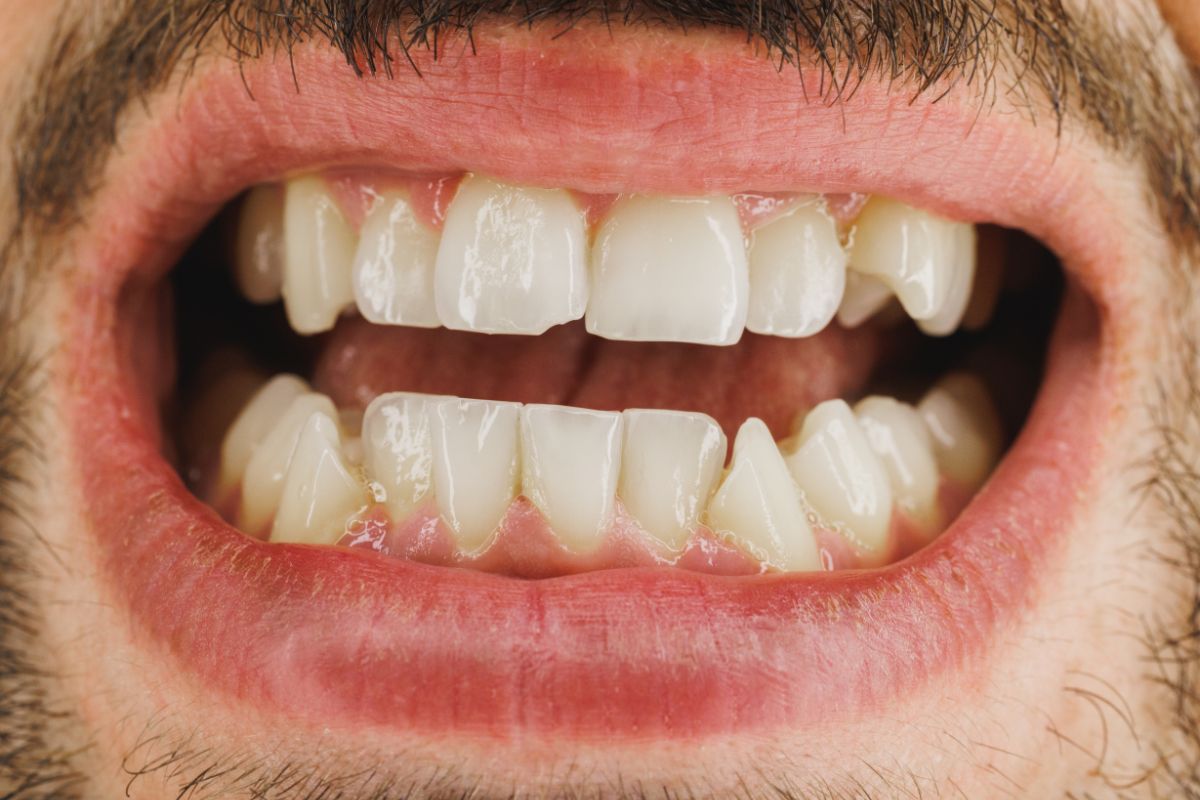
Grinding affects dental health by slowly wearing down the protective layer that covers each tooth. According to our editor’s research, long term grinding can flatten the edges of teeth and create small cracks that increase sensitivity. The pressure also affects the jaw joints, which may lead to clicking sounds or mild pain during chewing. Many patients feel discomfort when opening their mouth widely because the muscles have endured continuous tension. These changes develop slowly and become more noticeable during dental checkups.
Why does jaw tension increase during emotional overload?
Jaw tension increases during emotional overload because the body reacts to stress with protective muscle contractions. According to our editor’s reviews, difficult emotions such as frustration or worry often manifest physically through clenched jaws or stiff shoulders. The jaw becomes one of the primary areas where the body holds tension. When emotional overload persists for several days, the muscles remain tight even during relaxation moments. This tightness carries into sleep and strengthens the grinding pattern.
How does sleep quality influence grinding episodes?
Sleep quality influences grinding episodes because disturbed sleep increases muscle activity and reduces relaxation. According to our editor’s research, individuals who sleep lightly or frequently wake up during the night often grind more intensely. Poor sleep prevents the jaw from settling into a neutral position and encourages repetitive movements. Emotional stress also disrupts sleep patterns, which makes grinding more likely. When individuals improve their sleep quality, grinding episodes often become less frequent and less forceful.
What daily habits increase stress related grinding?
Daily habits such as rushing, multitasking and constant digital stimulation increase stress related grinding by keeping the mind in a heightened state. According to our editor’s reviews, individuals who skip breaks or avoid relaxation often feel more jaw tightness during the evening. Poor posture also contributes because the jaw compensates for neck and shoulder tension during stressful workdays. These habits build pressure throughout the day and intensify grinding during sleep. When individuals adjust their daily routines, jaw tension decreases noticeably.
How can people respond to stress induced grinding?
People can respond to stress induced grinding by recognising their triggers and adopting calming routines that relax the jaw muscles. According to our editor’s research, simple habits such as deep breathing, short breaks or gentle jaw stretches help reduce tension. Warm compresses also offer comfort by loosening tight muscles before sleep. Patients often feel more stable when they understand the link between their emotions and jaw movements. This awareness reduces worry and encourages healthier responses during stressful periods.
Stress influences tooth grinding more than many people realise, and recognising the connection helps individuals protect their dental health with greater confidence. This article offers a simple overview to guide awareness without overwhelming detail. For more detailed information, you may wish to visit the websites of official institutions and organizations.